
Mold Removal
Removal of mold-affected materials and surface growth using methods selected for the location, material type, and extent of the problem.
Serving Minneapolis, Minnesota & surrounding areas

Mold abatement · Minneapolis, Minnesota
Address hazardous growth with careful containment, controlled material removal, detailed cleaning, and a practical plan for protecting your property.
Controlled abatement
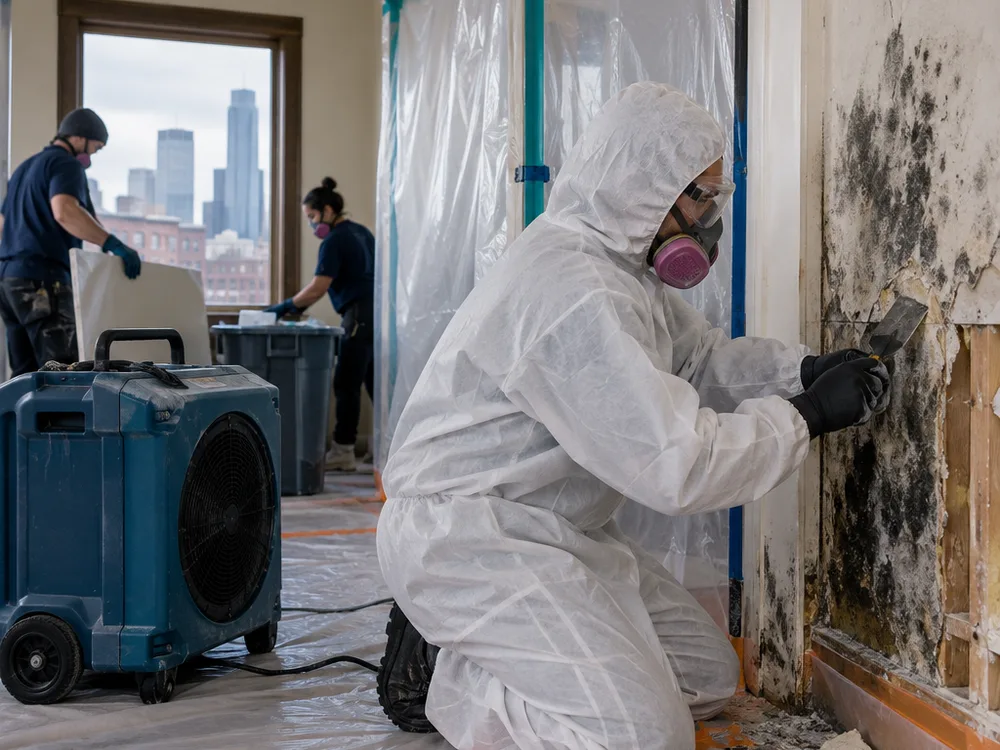
Mold abatement in Minneapolis requires more than treating visible spots. Growth may extend behind drywall, beneath flooring, around rim joists, or into insulation near a moisture source. Effective work begins by defining the affected area and identifying conditions that may allow growth to return.
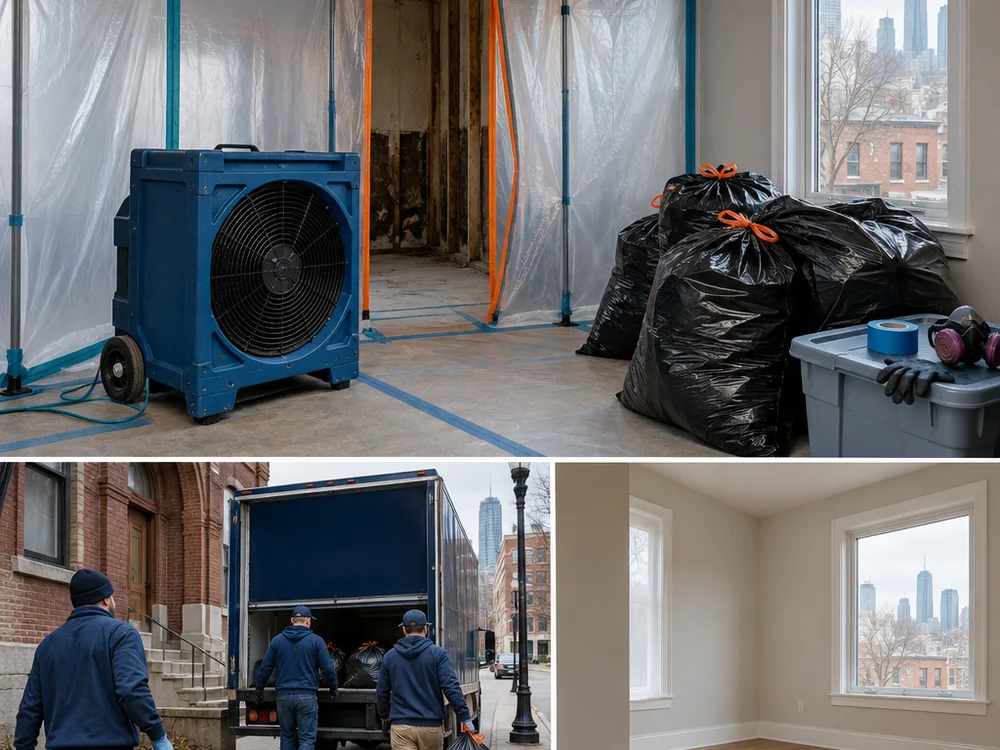
The abatement area is isolated to limit the movement of dust and spores. Depending on the project, the work may include controlled demolition, removal of porous materials, HEPA vacuuming, detailed surface cleaning, and air filtration. Salvageable structural materials can be cleaned according to their condition and location. Removed materials are contained before they leave the work zone.
Minneapolis properties face seasonal moisture pressures, including snowmelt, summer humidity, roof leaks, plumbing failures, and condensation on cold surfaces. Abatement addresses affected materials, but lasting control also depends on correcting the source of unwanted moisture.
Connected property care
Removal of mold-affected materials and surface growth using methods selected for the location, material type, and extent of the problem.
A broader corrective process that combines containment, removal, cleaning, and moisture-control recommendations for affected indoor spaces.
A focused evaluation of visible conditions, moisture concerns, and suspect areas to help define appropriate next steps.
Property restoration work for damaged areas, including planning for materials that need removal, cleaning, repair, or replacement.
Professional scope
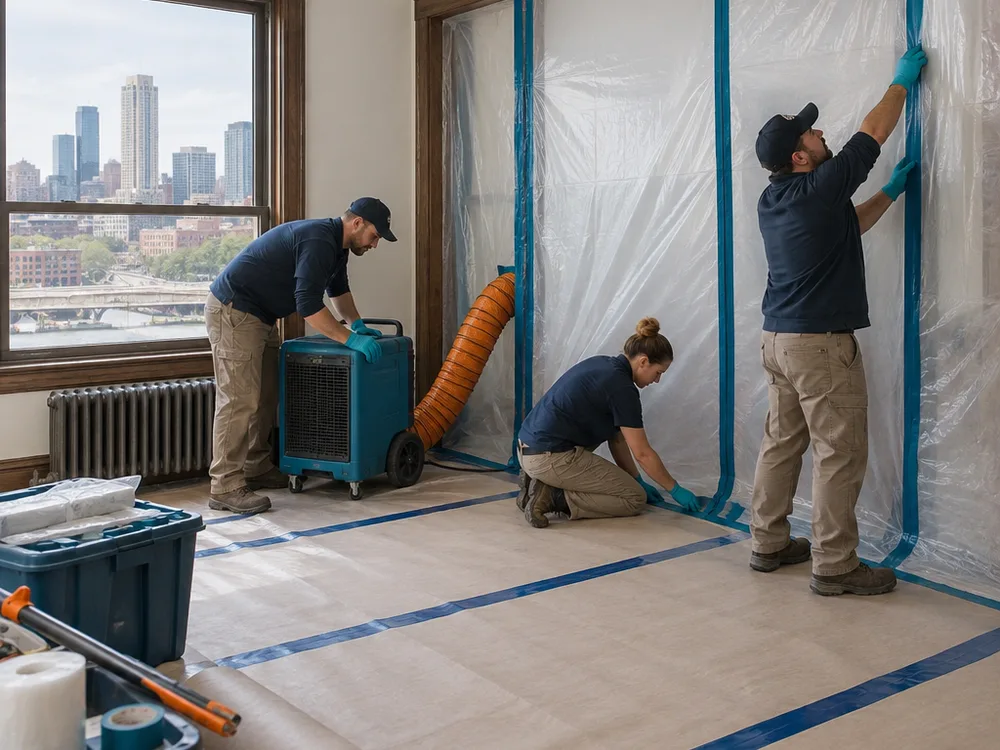
Plastic barriers and controlled access separate the affected space from occupied areas. The setup is matched to the project so dust and disturbed particles are managed during removal and cleaning.
Porous drywall, insulation, and similar materials may require removal when contamination is established. Sound framing and other salvageable surfaces can often be cleaned after their condition is evaluated.
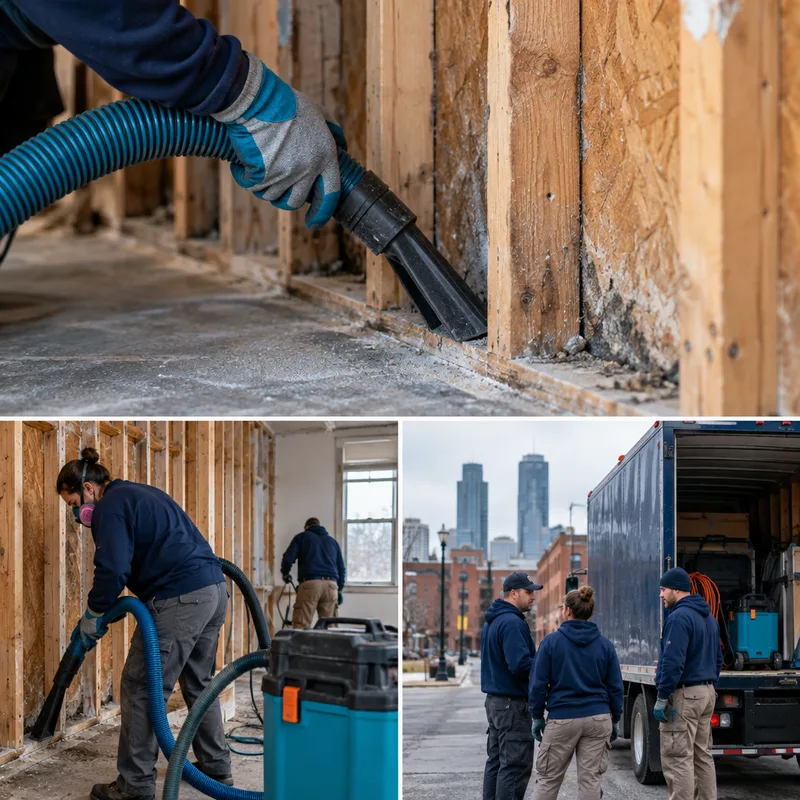
HEPA filtration and vacuuming help capture fine particles released during the work. Detailed cleaning covers exposed surfaces, ledges, framing, and other locations where settled debris can remain.
Leaks, seepage, condensation, and high indoor humidity can support recurring growth. The abatement plan should account for the underlying moisture condition, even when separate repairs are needed.
A useful scope identifies the affected area, materials likely to be removed, containment needs, cleaning methods, and site conditions that may change the work once concealed surfaces are opened.

Local field presence
Mold Abatement Minneapolis provides mold abatement in Minneapolis, Minnesota.
The company focuses on the controlled treatment of mold-affected indoor areas. Each project should begin with the actual conditions in the building rather than a one-size-fits-all treatment. Material type, moisture exposure, accessibility, and the extent of concealed growth all affect the proper scope.
Property owners need clear information before disruptive work begins. That includes what will be contained, which materials may need removal, how remaining surfaces will be cleaned, and what moisture issue must be corrected. This practical approach helps owners understand the work and prepare for any repairs that follow abatement.
Project budgeting
Mold abatement in Minneapolis typically costs about $1,500 to $6,000, while a limited accessible area may cost less and extensive work involving demolition or concealed growth can exceed $10,000.
Final price depends on the affected square footage, material removal, containment needs, accessibility, moisture damage, disposal, and cleaning requirements. Attics, crawl spaces, finished basements, and wall cavities often require more labor than open rooms. Repairs and moisture-source correction may be priced separately. The exact cost is confirmed after an on-site inspection and written scope.
Inspection to review
Step 1 of 4
The process starts by reviewing visible growth, damaged materials, access limitations, and likely moisture sources. The findings help define where containment and removal work should occur.
Step 2 of 4
The work zone is prepared to protect nearby spaces. Barriers, controlled entry, and filtration may be used based on the size and layout of the affected area.
Step 3 of 4
Affected porous materials are removed when needed. Remaining structural surfaces are HEPA vacuumed and cleaned using methods appropriate for the material and site conditions.
Step 4 of 4
The cleaned area is reviewed before containment comes down. Any remaining moisture repairs, reconstruction needs, or further evaluation can then be addressed.
Get a clear scope for the affected area, the materials involved, and the work needed before abatement begins.
Book Your Free InspectionLocal building context
Mold Abatement Minneapolis works in residential areas throughout Minneapolis, including neighborhoods with older housing, finished basements, attics, and additions where concealed moisture can affect building materials.
Early twentieth-century homes commonly include basements, enclosed wall cavities, and older roof assemblies where plumbing leaks or condensation can leave materials damp.
Older houses and converted spaces can contain layered finishes and concealed cavities that require careful assessment before affected materials are opened or removed.
Established homes may have aging foundations, basement finishes, and older plumbing routes where water intrusion can spread beyond the first visible damaged surface.
A mix of older homes and later renovations can create enclosed transitions where roof leaks, plumbing failures, or condensation remain hidden behind finished materials.
Lofts and multifamily buildings often have shared walls, mechanical systems, and limited access, making containment planning important when mold-affected materials are disturbed.
Apartments, duplexes, and older houses may have tightly finished bathrooms, kitchens, and lower levels where leaks can reach adjoining wall or floor assemblies.
Field methods
Common questions
Plan the next step
Describe the affected area and any known moisture source. Mold Abatement Minneapolis can help define the next step and prepare a practical scope for the property.