
Minneapolis Mold Testing
Smell mold but can't see it? Find out where it is and why it's growing before you pay for tests you may not need.
Call (612) 500-4105- Inspection before sampling
- Moisture readings explained
- Findings you can act on
Testing and inspection are not the same thing. An inspection finds the growth and the moisture feeding it. Mold testing takes air or surface samples and sends them to a lab. Most houses need the first and only some need the second.
Mold Inspection Minneapolis: Start With a Look
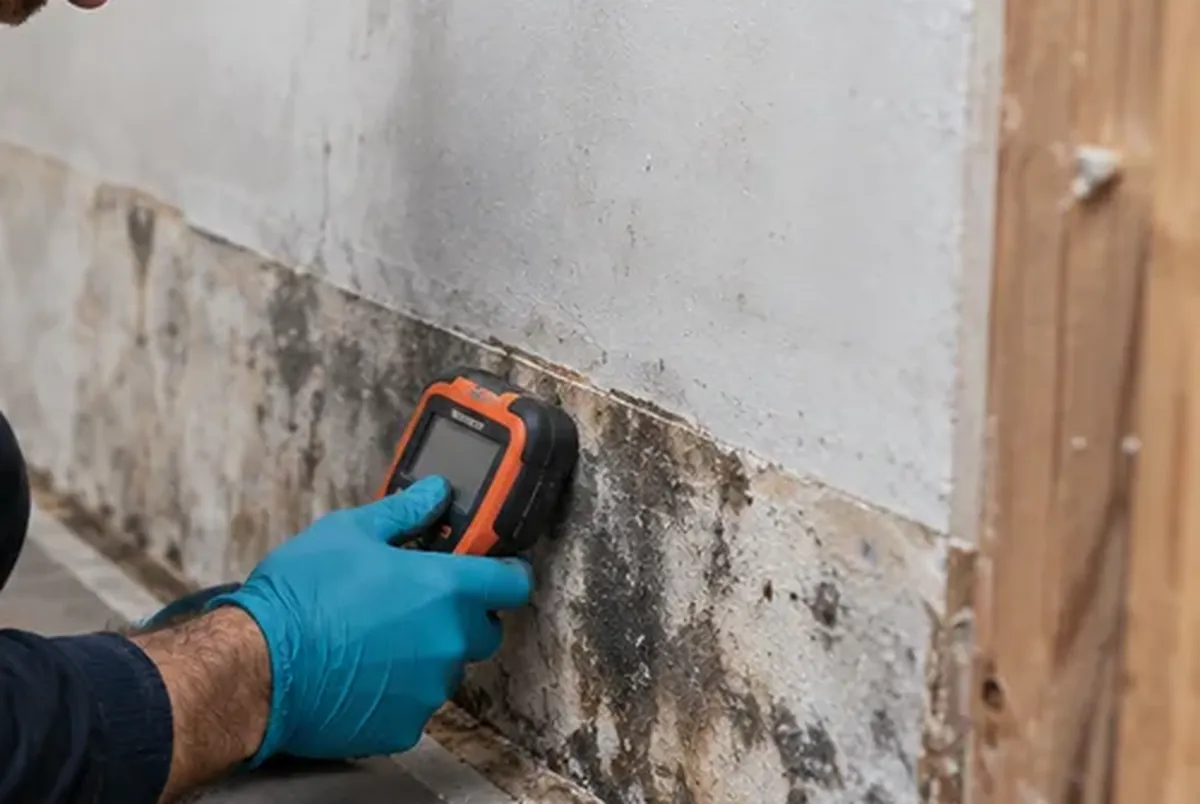
A mold inspection is mostly eyes, nose and a moisture meter. The inspector walks the house, checks the places water collects and takes readings on walls, floors and framing. Mold inspectors may also use an infrared camera or a small scope camera to look inside a wall without opening it.
If growth is visible, the inspection has already answered the main question. The Minnesota Department of Health does not recommend mold testing in most situations, for three reasons: proper testing is expensive, no health-based standard says how much mold in the air is safe, and any indoor growth should be removed whatever type it is.
Smell It but Can't See It?
Hidden growth is where sampling earns its cost. Testing can help when:
- A musty smell persists and the inspection finds no source
- A buyer, seller or landlord needs documentation
- A doctor has asked what is in the house
- A finished cleanup needs to be confirmed
In those cases, the health department's advice is to use a skilled investigator who will interpret the results, because raw spore counts mean little on their own. A purchase is the most common reason for mold testing. Minneapolis buyers often ask for it when a home inspection turns up staining or a musty lower level.
Mold Assessment: What the Visit Covers
A mold assessment, which some inspectors call a mold evaluation, should leave you with more than a lab sheet. Some mold testing companies sell mold inspection and testing as one package; ask what the samples are meant to show. Expect:
- Questions about leaks, flooding, smells and symptoms.
- A room-by-room visual check, including the basement, the attic hatch, bathrooms and under sinks.
- Moisture readings wherever staining or damp is found.
- Air or surface samples only when they answer a specific question.
- A written summary of what was found, where, and the likely cause.
Buying a house with a musty basement? Get it inspected first.
Call (612) 500-4105Reading the Report
A useful report names the location of the growth, the moisture source and the size of the affected area in square feet. That last number drives the cost of cleanup. Lab results list spore types and counts; they do not set a pass or fail line, because no agency has set one.
Neither Minnesota nor any federal agency licenses or certifies mold investigators, so credentials vary. Ask an inspector about training, insurance and whether the same company also sells cleanup. An inspector with nothing to sell has less reason to find a big job. Cleanup itself is covered on the mold abatement homepage.
What Does a Visit Typically Cost?
A mold inspection typically costs $289 to $530 in Minneapolis, MN, and the local average is about $434. Lab samples can add to that, so ask what the price includes before booking. Homeowners in Minneapolis, Minnesota who can already see the growth usually do better spending that money on the cleanup.
Before You Book
- How much does mold testing cost?
- A mold inspection typically costs $289 to $530, and the local average is about $434. Air or surface samples sent to a lab can add to the price.
- Is mold testing worth it when mold is visible?
- Usually not. The Minnesota Department of Health does not recommend testing in most situations, because visible growth already shows a problem that needs cleanup.
- What is the difference between a mold inspection and a mold test?
- A mold inspection is a visual and moisture check of the house. A mold test means taking air or surface samples for a lab to identify spore types and counts.
- Is there a safe level of mold in indoor air?
- No official one. No health-based standard exists for mold levels in air, so lab results are compared with outdoor air and with other rooms, not with a legal limit.
- Are mold inspectors licensed in Minnesota?
- No. Neither Minnesota nor any federal agency licenses or certifies mold investigators, so ask about training, insurance and references.
- Do home test kits for mold work?
- Poorly. Settle-plate kits show that spores exist, which is true of every house, and do not show where growth is or why.
Get Answers Before You Open a Wall
Describe the smell, stain or leak and get a local inspector scheduled.
Call (612) 500-4105